

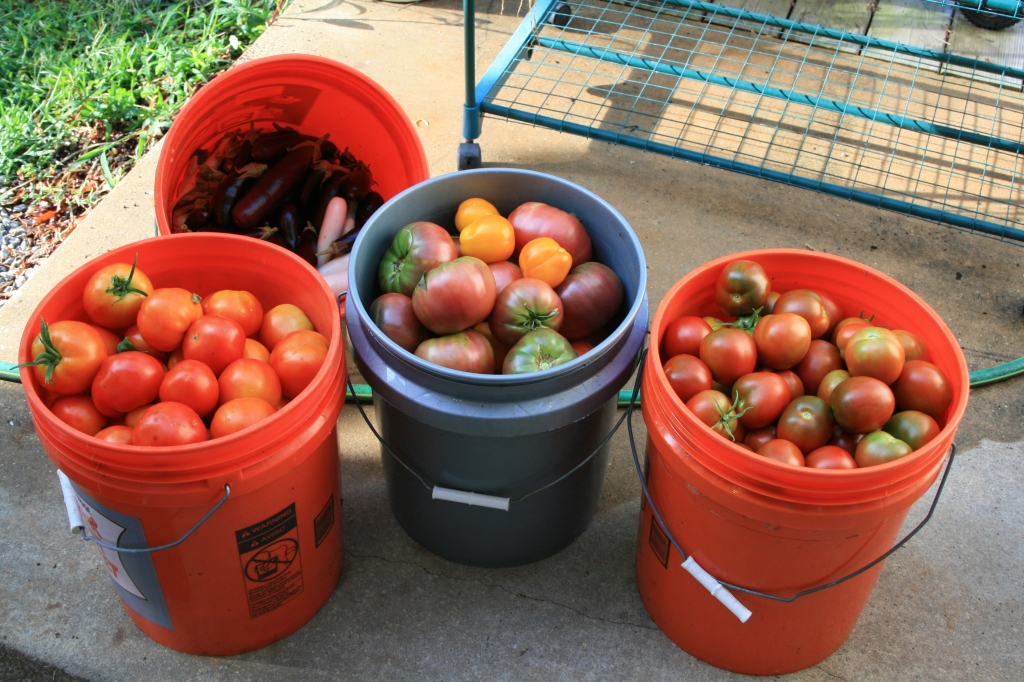
One of the most popular and trendiest vegetables gardeners try to grow are heirloom tomatoes. This interest is fueled by the many articles written each spring and summer as well as the celebrity chefs insisting on using heirloom tomatoes in their recipes.
I’d like to share some tidbits of information.
Heirloom tomatoes are generally grown for their taste and are favored by many home gardeners and culinary enthusiasts.
Heirloom tomatoes come in a wide range of sizes, shapes, colors, and flavors. Some popular and well-known heirloom tomato varieties include Brandywine, Cherokee Purple, Green Zebra, Yellow Pear, and Mortgage Lifter, among many others. Each variety has its own flavor profile, ranging from sweet and juicy to tangy or even slightly acidic.
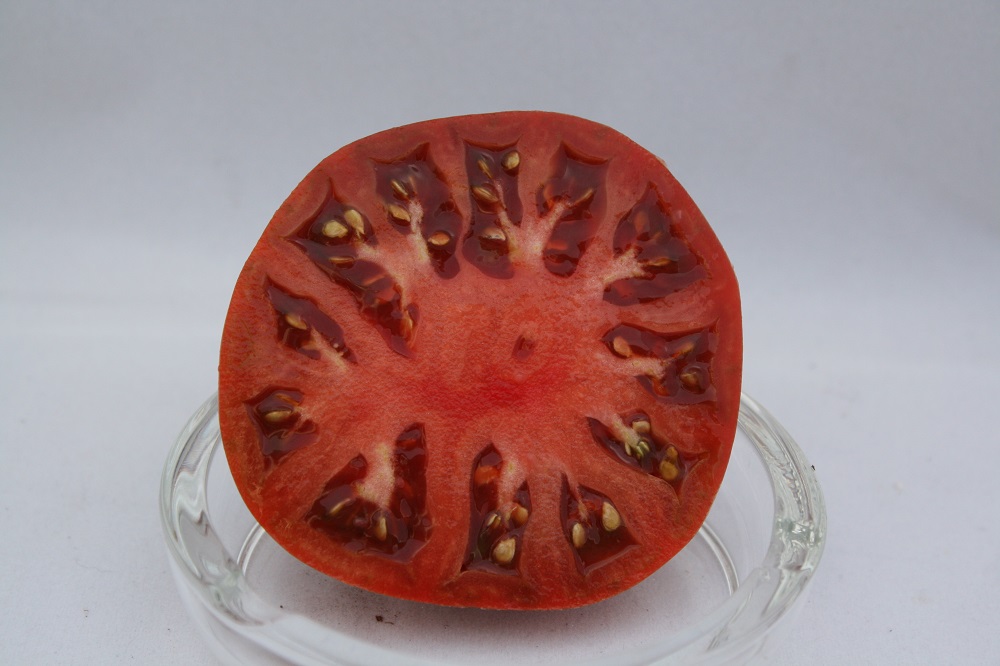
Heirloom tomatoes are also very regional in their adaptation to the growing environment. For example, Brandywine does not produce well, if at all, in my hot and humid coastal MS garden. And it’s no wonder since Brandywine was originally selected in western OH/eastern PA. In my coastal MS garden, I’ve grown more than 100 heirloom tomato varieties looking for those that will tolerate my hot and humid conditions. I’ll share my varietal choices in a future post.
What distinguishes heirloom tomatoes is their diversity and often more complex flavors compared to commercially produced hybrid tomatoes, which are bred for characteristics such as uniformity, shelf life, pest resistance and transportability; you know Stepford tomatoes. A drawback is heirloom tomatoes usually don’t have much tolerance for pest and disease pressures.
These tomatoes can be found at farmers’ markets, specialty grocery stores, and some larger supermarkets during the peak tomato season, typically in the summer and early fall. They are valued for their unique appearance, rich flavors, and the sense of tradition they bring to the table.
So, what makes an heirloom tomato an heirloom? There are really a few criteria to consider.
Heirloom tomatoes must be open pollinated meaning they are pollinated naturally by the wind jiggling the tomato flowers. This means that if you collect or save seed from a ripe heirloom tomato, when sown and grown the resulting plant will produce very similar fruit crop after crop.
We call a tomato an heirloom if it’s been in the market for a certain period of time. Hard core heirloom tomato growers will say the variety should be in the market at least 25 or 50 or 100 years old or older. Others will say tomato varieties dating prior to 1945. After WWII, with the new resources available, there was the rise of hybrids becoming more prevalent.
I’m of the opinion that age doesn’t matter when it comes to heirloom tomatoes as long as the variety is open pollinated. For example, in 2005 I was given an envelope of an orange tomato that had been grown in a family for many years. I call it Orange Blossom and I have been growing and saving seeds for the last 18 years. BTW, I’m going to have these seeds available for the 2024 growing season. Stay tuned.

Another school of thought concerns antiques. We’re all aware of antiques that get passed down through families and are called heirlooms. Heirloom tomatoes are varieties of tomatoes that have been passed down through generations of gardeners and farmers. Tomatoes, or any vegetable, get the name heirloom by having their seeds collected by families and passed down to future generations.
I love using the Nebraska Wedding tomato as an example. Seeds of this heirloom were given as a wedding present to young couples as a symbol of a productive farm as well as a growing family.
Heirloom tomatoes also have wonderful stories associated with them. Here’s a couple of my favorites:
Radiator Charlie’s Mortgage Lifter
A wonderful book is the “The Heirloom Tomato: From Garden to Table” by Amy Goldman. You’ll read wonderful descriptions and recipes to along with gorgeous pictures. This is really good garden porn!
 Gary Grows at Heritage Cottage