

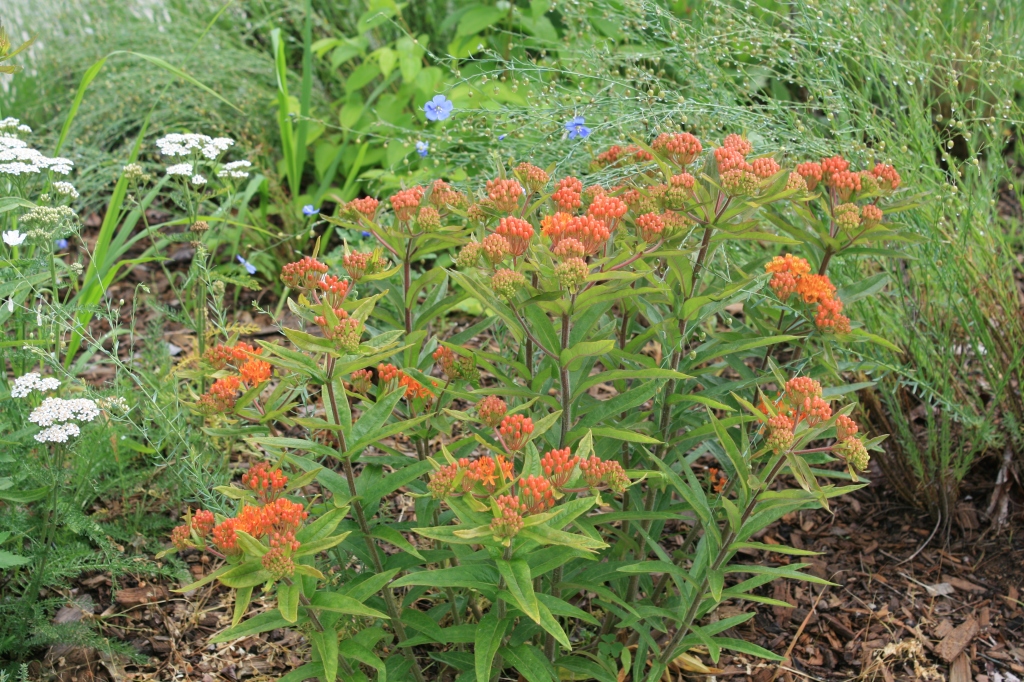
Almost every gardener I’ve met in the last 15 years seems to have questions about growing milkweed because of the Monarch butterfly. In the deep south perhaps the most common milkweed found in nurseries is the tropical milkweed, Asclepias curassavica.
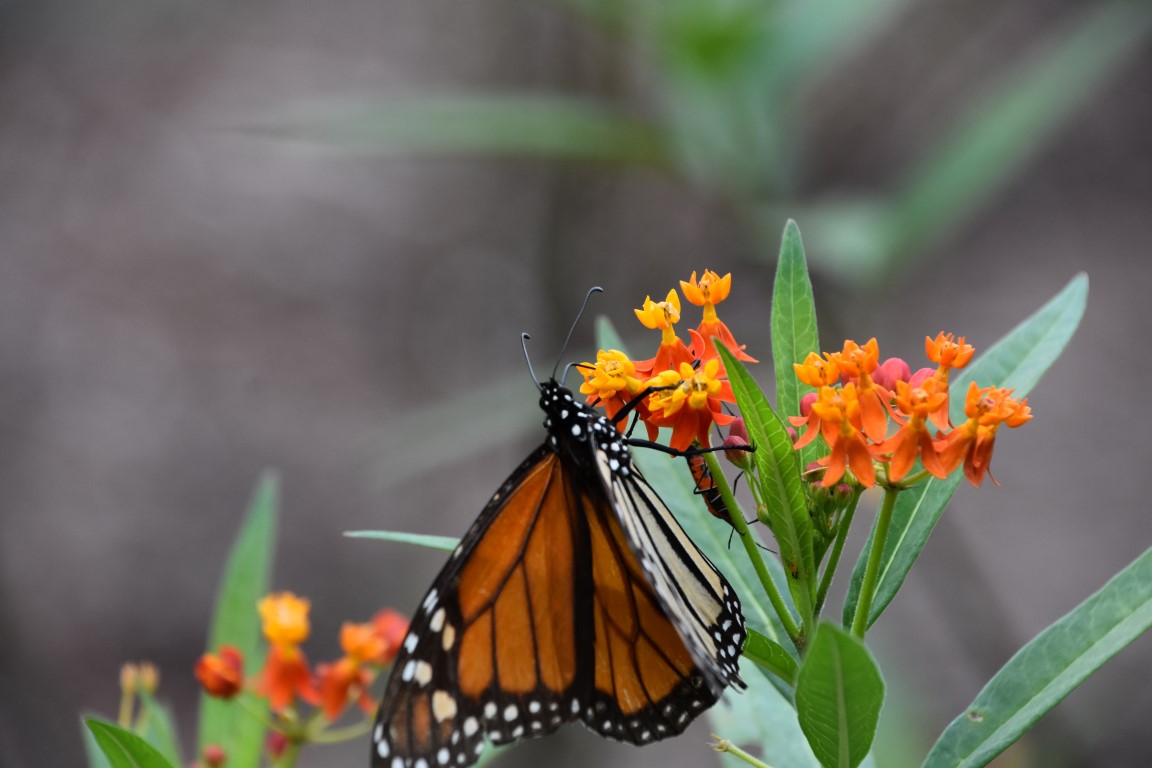
Where I live on the MS Gulf coast these plants are perennial and pose the danger to the Monarchs of passing along a parasite, Ophryocystis elektroscirra or OE (which is much easier to say). In fact, I’m a member of a citizen science project, Monarch Larva Monitoring Project, sampling for the presence of OE.
This is where the native North American milkweeds species can play a role. Native milkweed species serve as an essential forage plant for monarch butterfly larvae and support a variety of other pollinators. These plants are also an important nectar source for various pollinators. Growing native milkweed species not only supports the Monarch butterfly but also contributes to local biodiversity.
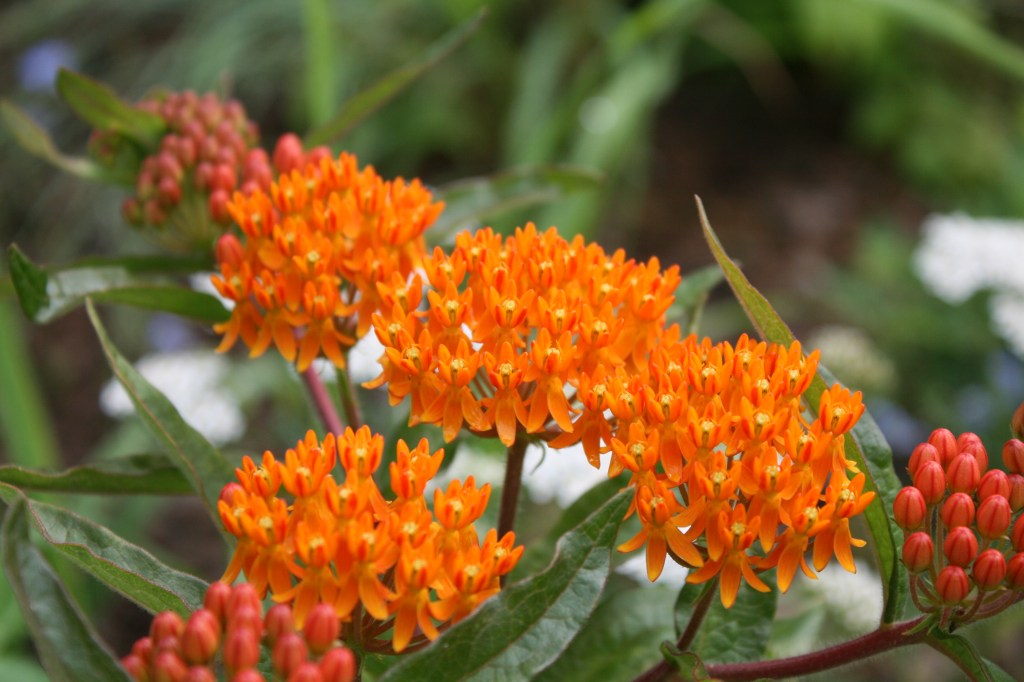
Finding native milkweeds in the garden is almost an impossible task. And to grow your own you need to find the seed, difficult but not impossible. I found a great source for seed at Everwilde Farms. The seed packets have great information from sowing suggestions to germination testing percentages.
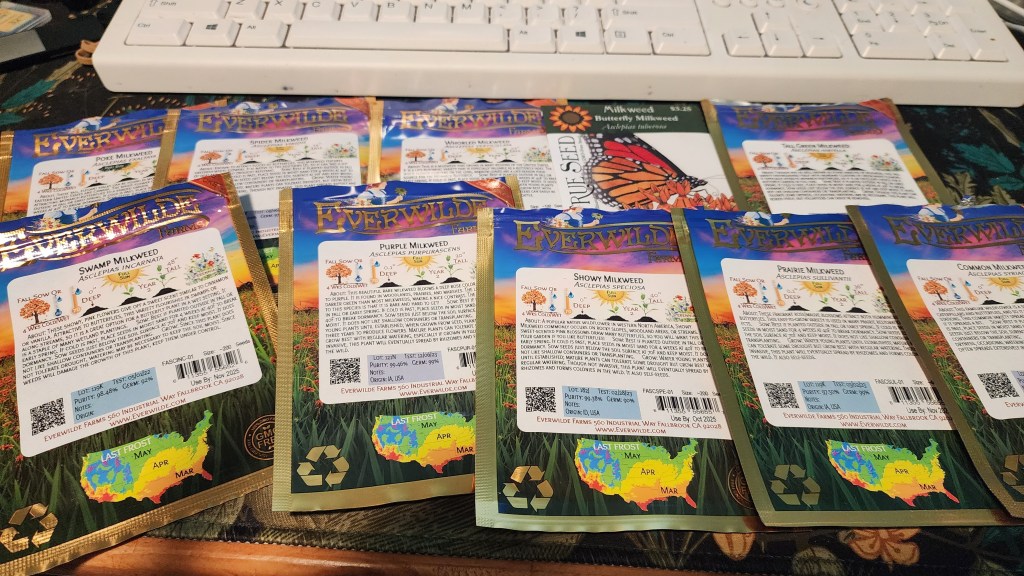
They also list in most cases where the seed was collected. Provenance is important, most are from the Midwest and northern tier of the US. It’ll be interesting to see how these northern seeds do in the heat and humidity of the deep south.
Since we don’t have much cold winter weather, all of the seeds have been sown in cups and have been resting in the fridge to cold stratify for the past month.

Here’s the seed I’ve ordered and will be growing this year (hopefully more to follow):
Asclepias viridis (Spider Milkweed):
Asclepias verticillata (Whorled Milkweed):
Asclepias exaltata (Poke Milkweed):
Asclepias hirtella (Prairie Milkweed):
Asclepias syriaca (Common Milkweed):
Asclepias sullivanthii (Prairie Milkweed):
Asclepias speciosa (Showy Milkweed):
Asclepias purpurascens (Purple Milkweed) :
Purple Asclepias incarnata (Swamp Milkweed):
Asclepias tuberosa (Butterfly Weed):
These Asclepias species collectively contribute to the ecological balance of their respective habitats, providing essential resources for pollinators and serving as indicators of environmental health. Efforts to conserve and propagate native milkweed species are crucial for supporting biodiversity and the conservation of monarch butterflies, whose populations rely on these plants for survival.
 Gary Grows at Heritage Cottage