

I’ve shared in the past my interest in growing citrus, particularly unusual citrus varieties, at Heritage Cottage Urban Nano Farm, my urban farm in Ocean Springs.
My latest obsession has been the Cara Cara orange I’ve recently found at the grocery stores. Called the pink orange, it’s variety of navel orange that has a very distinctive rosy pink to reddish-orange flesh. Cara Cara oranges look like typical navel oranges: round, medium-sized, with bright orange skin and a small navel
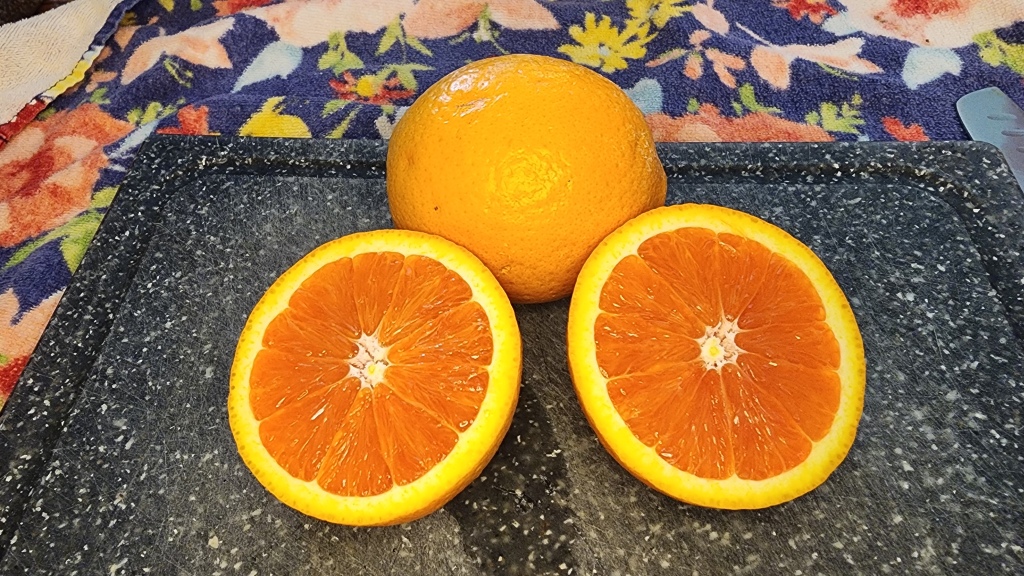
And like other navel oranges they’re seedless and these are especially extra sweet. I’ve enjoyed the bright citrus flavor with berry and floral notes. I’ve found that the juice is less acidic than other navel oranges. I really enjoy cooking fresh salmon with slices of Cara Cara.
Whenever I find a citrus variety, I want to grow, sometimes it takes a while to locate a grower that will ship to Mississippi.. One day I’ll have to share the journey I took to find the original Sicilian limoncello lemon or the key ingredient of Earl Grey tea the Bergamot citrus. But in this instance, finding Cara Cara was not hard. Several years discovered a citrus grower in California that has become my go-to citrus source, Four Winds Growers.
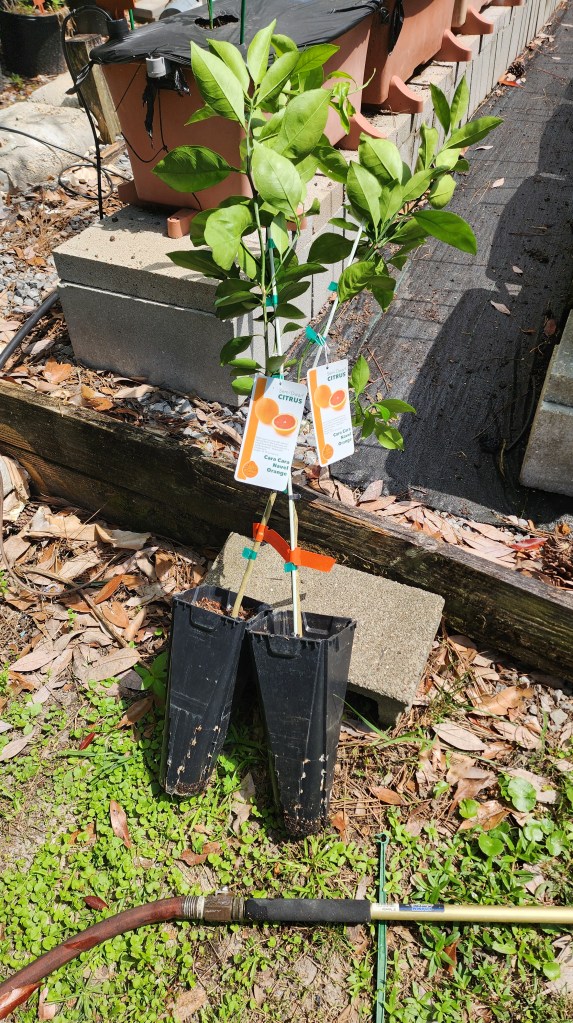
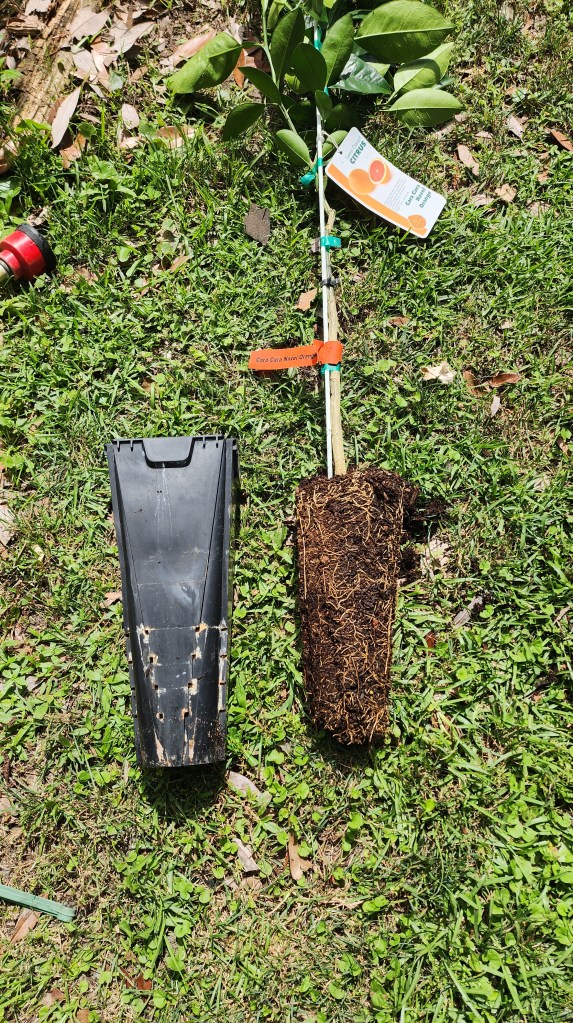
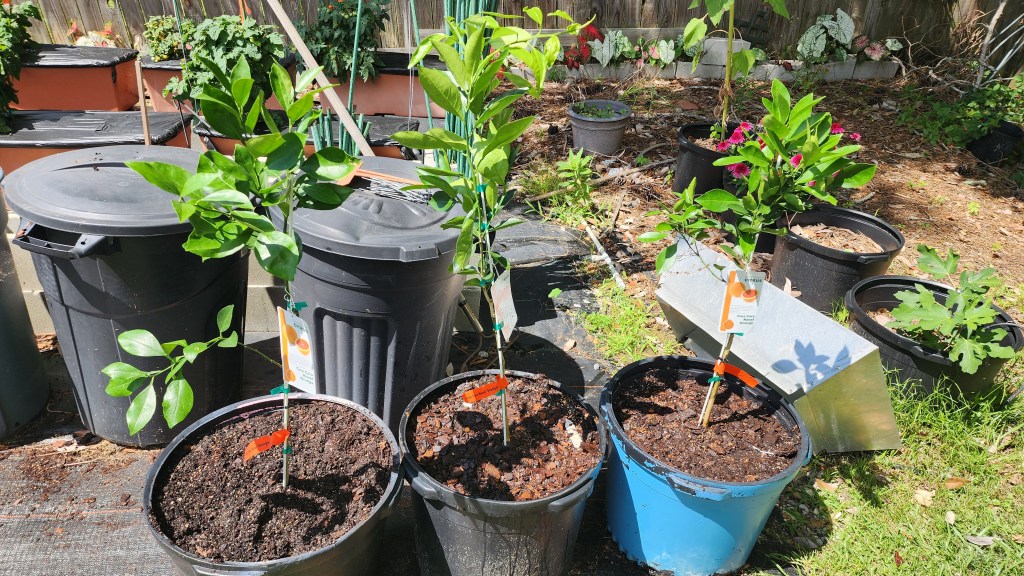
I transplanted three well rooted Cara Cara in 15-gallon containers this afternoon, They’ll need to be in the shade for a couple of days to get acclimated to our south Mississippi late spring and summer temperatures.
It’s always interesting learning about the origin of unique citrus varieties. Cara Cara was originally discovered in the mid-1970s as a natural mutation found in Venezuela on a Washington navel orange tree. It’s a case
 Gary Grows at Heritage Cottage