

Every now and then, a fruit comes along that feels like it was invented by a curious gardener with a sense of humor. The limequat fits that bill perfectly. It’s part lime, part kumquat, and entirely charming—and it comes in three distinct personalities: Eustis, Lakeland, and Tavares.
All three trace their roots back to early 1900s Florida and the work of USDA citrus breeder Walter Tennyson Swingle, who set out to answer a simple question: What if we could have real lime flavor on a tree that doesn’t sulk at the first cold snap?
In 1909, the limequat hybrid (Citrus × floridana), a cross between the Mexican (Key) lime and the colder tolerant Nagami kumquat, was created at a U.S. Department of Agriculture (USDA) experimental station in Eustis, Florida
Swingle manually cross-pollinated Key lime flowers with kumquat pollen and grew the resulting seedlings, selecting the most promising for cultivation. His goal was simple: capture lime flavor but add some cold tolerance. Mission accomplished—but with three different outcomes.
By 1913, Swingle had named and described several limequat selections — Eustis, Lakeland, and Tavares — after Florida towns near where the work was done.
The answer wasn’t one fruit, but three.
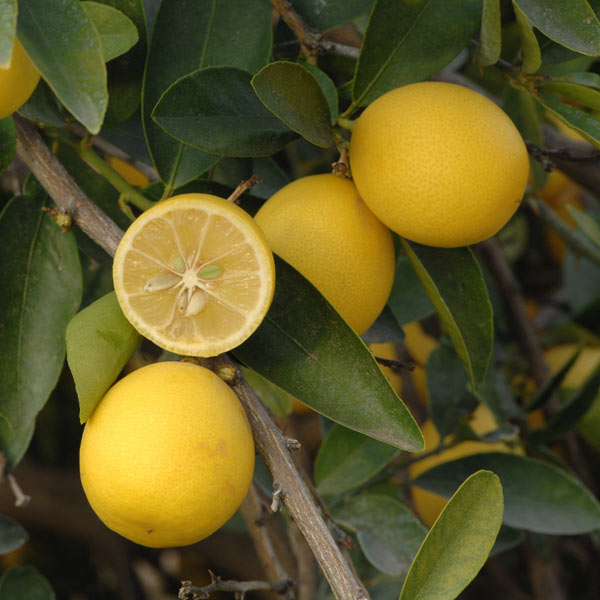
Eustis: The Bold Traditionalist
If limequats were neighbors, Eustis would be the one with a firm handshake and a strong opinion about how things ought to be done. This is the most widely grown limequat and the one that leans hardest into its lime heritage.
The flavor is sharp, bright, and unapologetically tart—perfect for cooks who want that true lime punch without the tropical fragility of a Key lime tree. The peel is edible, but the real magic happens in the kitchen: marmalade, marinades, cocktails, syrups, and preserves. Eustis is productive, reliable, and full of zing.
Personality: Bold, tangy, dependable
Best for: Cooking, preserves, lime lovers who like a pucker
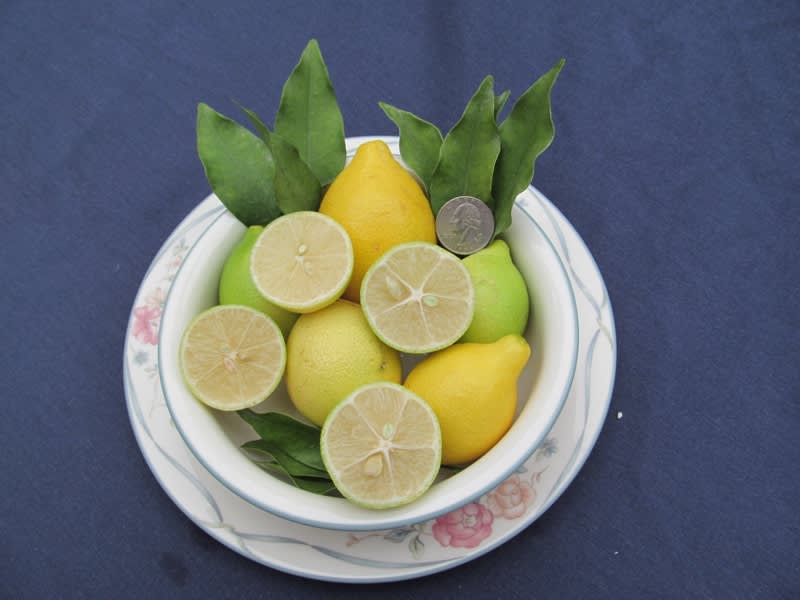
Lakeland: The Friendly Fresh-Eater
Lakeland feels like Eustis’s more laid-back sibling—the one who still has plenty of zip but doesn’t insist on making your eyes water.
This selection was prized for its sweeter rind and more balanced acidity, giving it a friendlier flavor for fresh eating. Slice it thin and eat it whole, candy the peel, or drop it into desserts. The kumquat influence shows more clearly here, making Lakeland a great “snackable” citrus.
It still tastes like a limequat, but with better manners and a softer edge.
Personality: Balanced, approachable, sweet-leaning
Best for: Fresh eating, candying, gardeners who like a milder bite
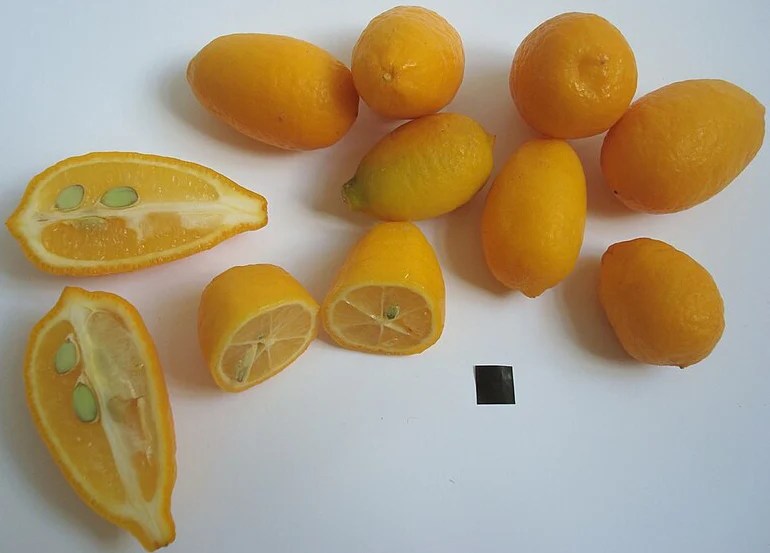
Tavares: The Tough Survivor
If Eustis is bold and Lakeland is charming, Tavares is the sturdy, resilient one—the variety bred with cold tolerance in mind.
Tavares tends to have the thickest and sweetest peel and the gentlest acidity of the three. The flavor is subtler, which is why it never became a commercial star, but it shines in other ways. For container growers, patio citrus fans, or gardeners in borderline climates, Tavares offers extra insurance when winter threatens.
It may not shout, but it endures—and that counts for a lot in the garden.
Personality: Hardy, mild, resilient
Best for: Cooler climates, containers, ornamental value
| Variety | Flavor Profile | Peel | Fruit Shape | Cold Tolerance | Why Grow It |
| Eustis Limequat | Very tart, sharp lime bite | Thin, slightly sweet | Oval to round | Good | Most lime-like; best for cooking & drinks |
| Lakeland Limequat | Milder, more balanced | Thicker, sweeter | More round | Very good | Better fresh-eating limequat |
| Tavares Limequat | Tart-sweet, softer acidity | Thickest & sweetest | Larger, oval | Best of the three | Cold hardiest; niche |
Same Family, Different Jobs
Think of these three limequats as a trio with shared roots but different talents:
- Eustis brings the lime punch
- Lakeland brings sweet balance
- Tavares brings the cold-hardy grit
They’re proof that even within a single hybrid, nature—and a clever breeder—can create a range of flavors, strengths, and garden personalities.
And that’s part of the joy of growing citrus: sometimes the real delight isn’t just the fruit, but the story each variety carries with it.
So, I’m happy to report that I have all three growing in my citrus collection in southern Mississippi.
Email me at gary@gary-grows.com and I’ll send a list of sources.
Photo Credits:
Tavares Limequat, heronsheadnursery.com/products/limequat
Lakeland Limequat, justfruitsandexotics.com/product/lakeland-limequat-tree
Eustis Limequat, onegreenworld.com/product/eustis-limequat/
 Gary Grows at Heritage Cottage