
“Urban farming begins with a simple shift in thinking: food doesn’t need farmland — it needs intention.”
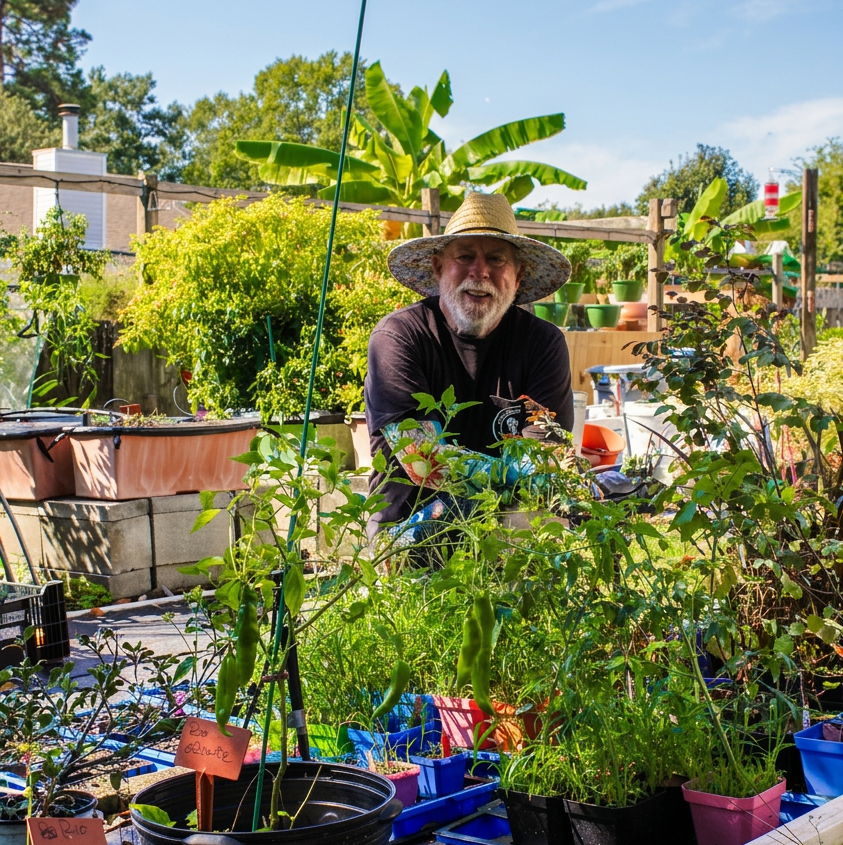
Urban farming doesn’t look like farming did fifty years ago—and that’s a good thing.
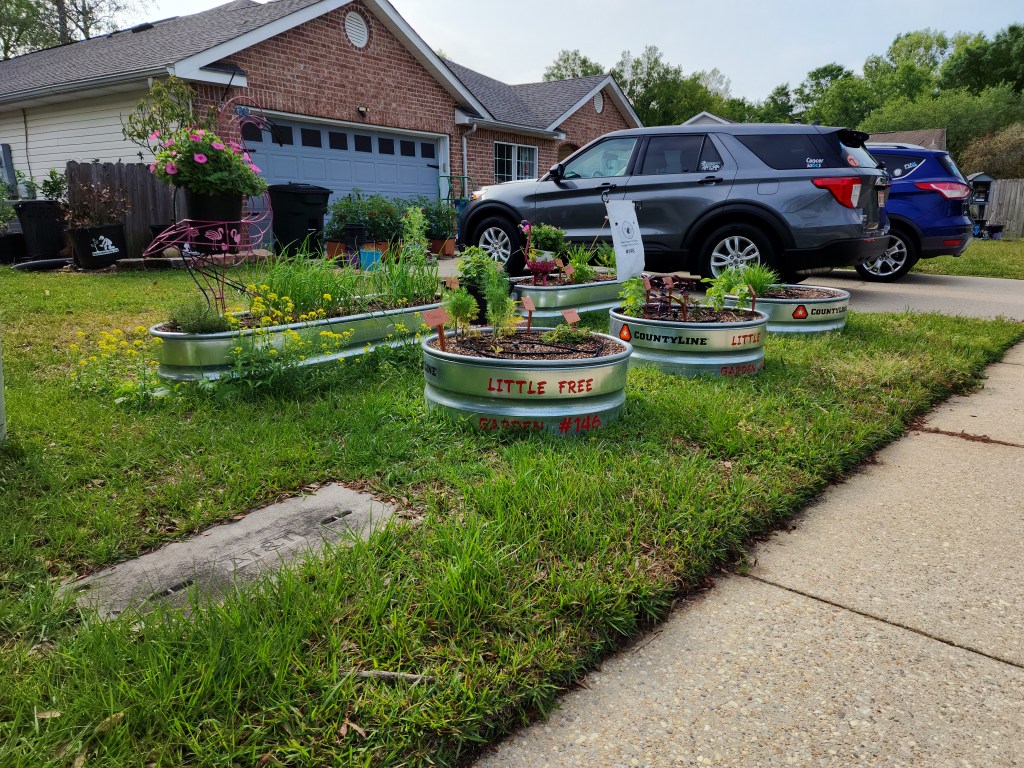
Today’s urban farm might be a patio with a few containers, a balcony with railing planters, or a sunny corner next to the driveway. It doesn’t have to be picture perfect or meme ready. What matters is that it works!
The Urban Farm concept is built on a simple idea: grow food where you live, using the space you already have.
That idea sounds obvious, but for many people it’s a big mental shift. When most folks hear the word “farm,” they picture open land, tractors, and long rows of crops. Urban farming flips that image on its head. It brings food production closer—right up to the front door.
Gary’s Garden Note
If you can walk out your back door with a cup of coffee and check your plants, you’re already ahead of the game.
What Is an Urban Farm?
An urban farm is not defined by size. It’s defined by intention.
It’s any space—large or small—where food is grown thoughtfully and consistently. The goal isn’t to grow everything, but to grow something well.
Urban farms:
- Focus on efficiency
- Use containers instead of rows
- Choose crops carefully
- Make use of vertical space
- Fit into everyday life
That last point may be the most important.
A garden that’s too complicated won’t last. One that fits naturally into your routine will.
Gary’s Garden Note
The best garden is the one you’ll actually take care of.
The Urban Nano Farm Approach
The Heritage Cottage Urban Nano Farm was never meant to be a showcase garden. It was designed as a teaching tool, a place to test ideas and prove what’s possible in a small footprint.
Every container answered a question:
- How much can this plant really produce?
- Is this variety worth the space?
- Can water use be reduced?
- Does this system make sense for homeowners?
Some things worked beautifully. Others didn’t. Both were valuable lessons.
That’s the heart of the Urban Nano Farm concept. It’s practical, flexible, and grounded in real results, not unrealistic social media trends or theories.
Gary’s Garden Note
Gardening teaches best when you let the plants give the answers.
Why Small Spaces Work So Well
Small spaces actually have advantages that large gardens don’t.
For one thing, they’re easier to manage. When your garden is close by, you notice changes faster. You catch problems earlier. You harvest more often.
Containers also give you control. Instead of fighting poor soil, bad drainage, or uneven ground, you start fresh with every pot. You decide what goes in and how it’s managed.
And because space is limited, you make better choices.
Urban gardeners tend to:
- Grow what they enjoy eating
- Pay attention to plant performance
- Avoid wasting space on poor producers
That focus often leads to better results than sprawling gardens where plants get lost in the shuffle.
Gary’s Garden Note
Limited space forces good decisions—and good decisions lead to better harvests.
Letting Go of the “Big Garden” Myth
One of the biggest myths in gardening is that bigger is always better.
It isn’t.
A large garden can be overwhelming, especially for new gardeners. It requires more time, more water, more fertilizer, and more physical effort. When life gets busy, large gardens are often the first thing that gets neglected.
Small container gardens are manageable. They invite success instead of frustration.
And success builds confidence.
Once gardeners see that they can grow food, they naturally want to grow more. That’s how urban farms expand—not by size, but by experience.
Gary’s Garden Note
Confidence is one of the most important tools a gardener can have.
Designing a Garden That Fits Your Life
Urban farming isn’t about copying someone else’s setup I’ve never, ever suggested copying my garden layout, only the ideas. It’s about designing a garden that works for you.
Ask a few simple questions:
- How much sunlight do I really have?
- How much time can I commit each week?
- What do I enjoy growing and eating?
- Where can containers live safely and conveniently?
Your answers will shape your garden far more than any rulebook.
Some gardeners want a few pots of herbs and peppers. Others want a patio full of vegetables. Both are valid urban farms.
Gary’s Garden Note
There’s no prize for growing more than you can enjoy.
Urban Farming Is About Choices
Every garden is a series of choices.
In an urban farm, those choices matter even more because space is limited. That’s why this book emphasizes:
- Smart crop selection
- Efficient containers
- Water-wise practices
- Practical pest management
- Simple scheduling
Each chapter builds on the idea that gardening should support your life, not compete with it.
Urban farming isn’t about perfection. It’s about progress.
Gary’s Garden Note
If your garden feeds you and makes you smile, it’s doing its job.
Looking Ahead
In the chapters that follow, we’ll dig deeper into the details—starting with crops that earn their space and containers that truly work. You’ll learn how to make small areas productive, enjoyable, and sustainable.
But it all starts here, with the Urban Farm mindset.
You don’t need more land.
You don’t need more time.
You just need to see your space differently.
And once you do, the possibilities open up quickly.
When the urban farm mindset is in place, the next step is deciding what deserves to be grown. In small spaces, not every crop earns its place. The most successful container gardens begin with careful crop selection — choosing plants that give the greatest return for the space they occupy.
That’s where the real work of the urban farm begins.

