
I’ve been kicking around the idea for this book since retiring in 2023. Well, it’s time to get the ball rolling.
I’ve seen horticulture friends use this model, so every Thursday I’m going to share at least part of a chapter to keep on task.
So hang on and hopefully enjoy the Heritage Cottage Urban Nano Farm.
Growing food doesn’t start with land or tools — it starts with seeing possibility in the space you already have.
Most people think growing vegetables means having a big backyard, long rows of soil, and plenty of time. If that were true, a lot of us would never grow a single tomato.
Common Myth
“You need a big yard to grow real food.”
This is the #1 reason people never start.
But the truth is much simpler:
- You don’t need a farm to grow food.
- You don’t need acres.
- You don’t even need a traditional garden.
What you need is a small space, a little sunlight, the right containers, and a plan that works for your life.
What Counts as an Urban Garden?
An urban garden can be:
• A porch with morning sun
• A patio with four containers
• A balcony with railing planters
•A driveway edge that gets six hours of light
If it gets sun, it can grow food.
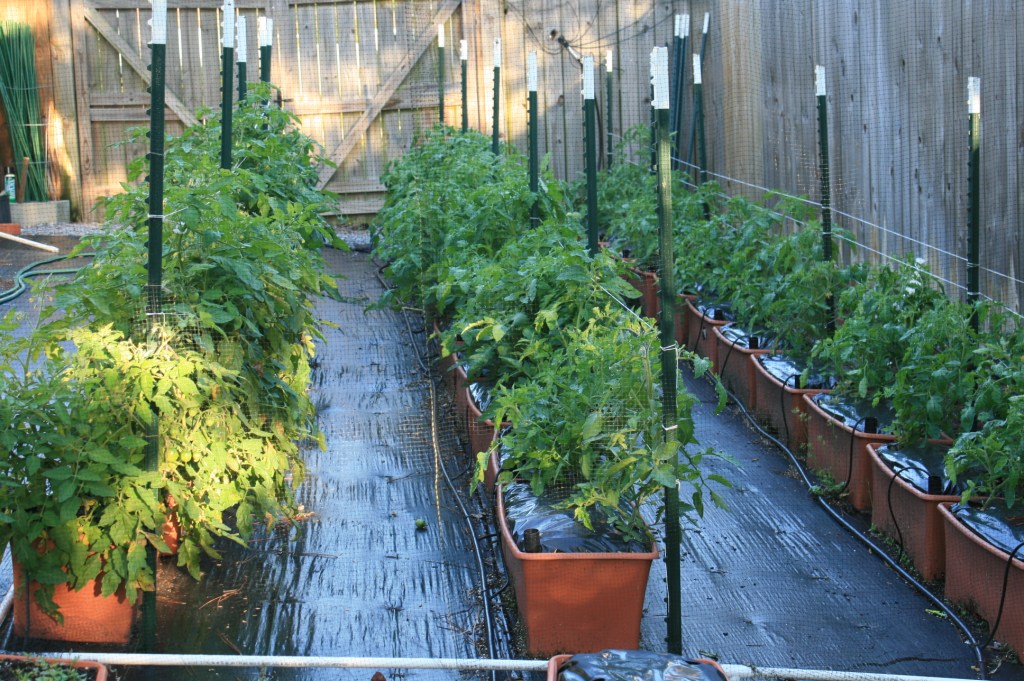
That idea is what led to the creation of the Heritage Cottage Urban Nano Farm back in 2009. What started as a teaching and demonstration garden quickly became something more—a real-world test of how much food could be grown in a very small, very ordinary urban setting. No tricks. No special treatment. Just good horticulture and practical decisions. Most of the time.
Teaching Garden
The Urban Nano Farm wasn’t designed to look perfect.
It was designed to prove what works.
Over the years, that little urban farm taught me an important lesson:
“The biggest obstacle to growing food isn’t space—it’s perception.”
Too many homeowners believe they can’t grow vegetables because they don’t have “enough room.” They look at their patio, porch, or balcony and assume it’s not worth the effort. This book exists to challenge that idea.
Because small spaces can be incredibly productive.
Reality Check
A single well-managed container garden can produce more usable food than a poorly planned in-ground row.
Container gardening isn’t a compromise. When done correctly, it’s an advantage. Containers give you control over soil, water, nutrition, and plant selection. They allow you to grow crops where traditional gardens simply won’t fit. And they let you bring food production right up close to where you live—steps from your kitchen door.
Why Containers Win
Containers let you control:
✓ Soil quality
✓ Drainage
✓ Water use
✓ Fertilizer
✓ Plant size
Urban farming is not about trying to grow everything. It’s about growing the right things.
In a small space, every plant needs to earn its spot.
- That means focusing on crops your family actually eats.
- It means choosing varieties that offer high value, great flavor, and strong performance in containers.
- It also means letting go of the idea that gardening has to look a certain way.
Before Planting Ask Yourself This:
“Will my family actually eat this?”
If the answer is no, don’t grow it.
This book is written for real people with real lives. You know, Real World Gardening.
It’s for the homeowner who wants to grow a few vegetables but doesn’t know where to start.
It’s for the gardener who’s tired of buying whatever transplants happen to be available at the garden center.
And it’s for anyone who wants to be a little more self-reliant without turning gardening into a full-time job.
No Judgment Gardening
There’s no single “right way” to garden.
The right way is the one that works for you.
There are many paths in the garden. You don’t have to be “all organic” or “all conventional.” You don’t have to follow gardening trends like a religion. You just need information that makes sense—and works.
Responsible Gardening
Responsible gardening means making informed choices, not following social media memes blindly.
Throughout this book, I’ll share what I’ve learned from decades of horticulture experience, research, teaching, and hands-on growing.
I’ll walk you through crop choices, containers, water use, fertilization, pest management, and scheduling—all through the lens of small-space gardening.
Everything here has been tested in real urban conditions, not just talked about in theory or some wacky social media A.I. fantasy.
Tested, Not Trendy
If it’s in this book, it’s been grown, tested, or taught in real gardens.
We’ll also talk about harvest—because that’s the fun part.
Growing vegetables should be enjoyable. The goal isn’t perfection; it’s fresh food, better flavor, and the satisfaction that comes from producing something yourself. Whether you garden in a single pot of peppers or a patio full of containers, you’re participating in something meaningful.
Success Looks Different
Success might be:
• One great tomato
• Fresh herbs all summer
• A salad you grew yourself
There’s a phrase you hear more often now: Know Your Farmer, Know Your Food.
“In an urban garden, the farmer is you.”
You’ll know where your food was grown. You’ll know how it was cared for. And you’ll know exactly what went into producing it. That connection is powerful, even on the smallest scale.
This book isn’t about how big your garden is. It’s about what’s possible in the space you already have.
So, if you’ve ever thought, “I’d love to grow my own food, but I don’t have room,” you’re in the right place.
Welcome to the Urban Nano Farm.
The urban nano farm begins with a shift in perspective — seeing possibility where others see limitation. Before talking about crops, containers, or techniques, it helps to understand what the urban farm really is and why small spaces often work better than we expect.
That mindset is where everything starts.

