

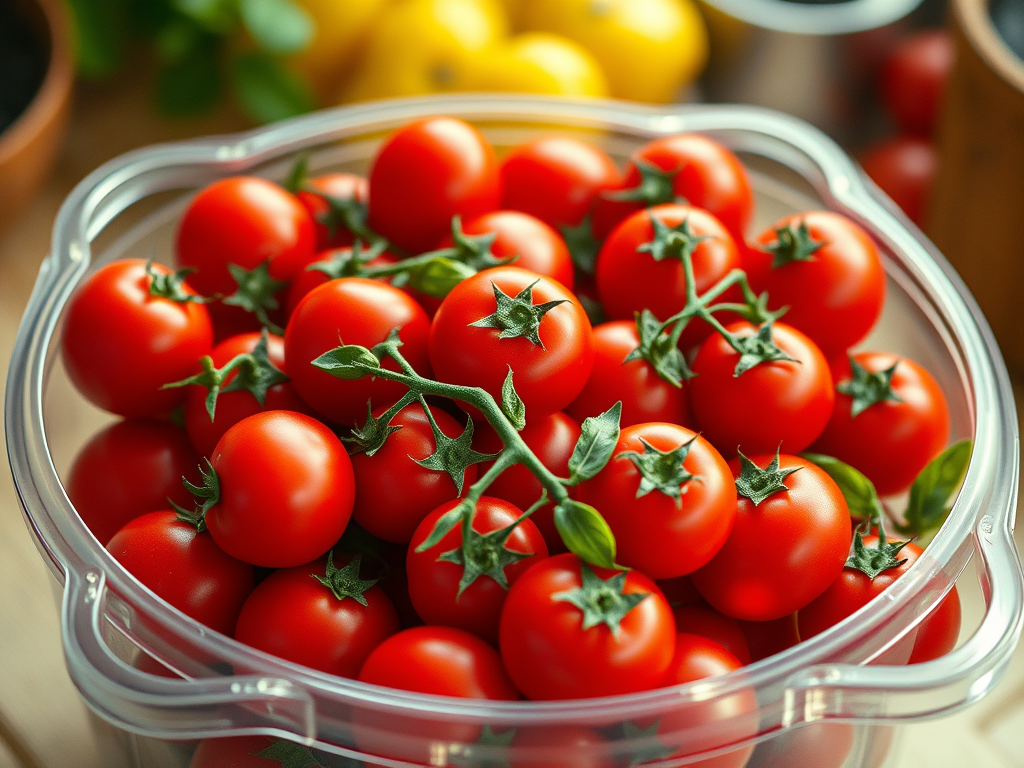
In small gardens, every plant has a job to do, and not all crops are equally qualified.
In an urban farm, space is not something you waste.
When you’re gardening in containers, every pot matters. Every plant you choose should give something back—whether that’s flavor, freshness, productivity, or simple enjoyment. Unlike large gardens where there’s room to experiment endlessly, small-space gardens reward thoughtful decisions.
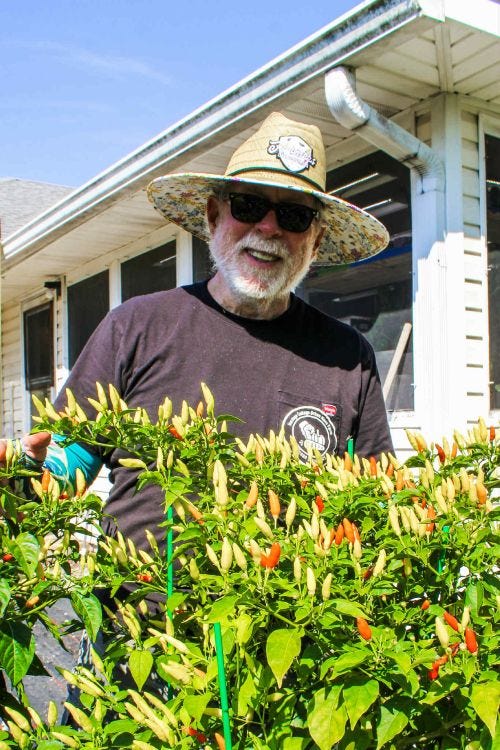
That’s why crop selection is one of the most important skills an urban gardener can develop. This is me standing behind my dwarf Tabasco peeper.
Gary’s Garden Note
Space is limited in container gardens, but potential isn’t.
Why Crop Choice Matters More in Containers
In a container garden, space is never abstract.
Every pot sits in a specific place. Every plant occupies a defined footprint. When something isn’t working, there’s nowhere for it to hide. In small gardens, plants are either productive, enjoyable, and worth the effort—or they quietly remind you that not every crop belongs everywhere.
That’s why crop selection matters more in an urban farm than almost any other decision you’ll make.
In a traditional garden, space can absorb mistakes. A poor-performing crop might be offset by something else doing well. In containers, every plant is visible, every square foot counts, and every decision shows up in the harvest—or the lack of one.
This chapter is about choosing crops that earn their space—plants that reward your time, water, and attention with real value.
Gary’s Garden Note
In small gardens, plants don’t get lost. They either perform—or they don’t.
Why Crop Choice Is Different in Containers
Containers change the rules of gardening.
In the ground, roots can explore deeply and widely. Soil buffers moisture, moderates temperature, and holds nutrients in reserve. In containers, the root zone is finite. What a plant gets comes entirely from the space you provide.
That sounds restrictive, but it’s also one of the greatest strengths of container gardening.
When you garden in containers, you control:
- The soil environment
- The nutrient supply
- The water schedule
- The plant spacing
- The variety selection
Because of that control, container-grown plants often grow faster, produce earlier, and deliver higher-quality harvests—when the right crops are chosen.
But containers are unforgiving of poor matches. A crop that requires deep, cool soil or sprawling root systems will struggle. A plant bred for large fields may never reach its potential. In containers, suitability matters.
Gary’s Garden Note
Containers don’t forgive poor choices—but they reward good ones generously.
Shifting the Question: Value Over Tradition
One of the most important mental shifts in urban farming is letting go of tradition-based gardening.
Many gardeners grow certain crops simply because those crops are considered “garden staples.” But tradition doesn’t always translate well to containers.
Instead of asking, “What should a garden have?” ask:
- What do we actually eat?
- What tastes noticeably better fresh?
- What costs the most at the store?
- What doesn’t travel well?
These questions lead you toward high-value crops—plants that make container gardening worthwhile.
Leafy greens harvested young. Herbs clipped moments before use. Peppers with real flavor and heat. Tomatoes selected for taste instead of shelf life. Specialty vegetables that never ship well.
These are crops that shine in containers.
Gary’s Garden Note
Grow what saves you money—or tastes better than anything you can buy.
Grow What Your Household Will Eat
This principle sounds simple, but it solves more gardening problems than almost any other.
Gardeners are naturally curious. We like to try new things. That curiosity is part of the joy of gardening. But in small gardens, curiosity has to be balanced with practicality.
If no one in your household eats eggplant, then even the most beautiful eggplant plant probably isn’t earning its space. The same goes for vegetables that sound interesting but consistently end up untouched in the refrigerator.
Start with crops you already enjoy eating. Build success there. Then experiment carefully.
One container devoted to something new is fun. Five containers of something no one wants is discouraging.
Gary’s Garden Note
The best crops are the ones that disappear quickly after harvest.
Compact Does Not Mean Inferior
There’s a lingering belief that compact or dwarf varieties are somehow lesser versions of “real” vegetables. In reality, many compact plants are intentionally bred for containers and small spaces.
These varieties often:
- Stay within manageable size
- Produce earlier in the season
- Yield steadily rather than all at once
- Require less staking or pruning
Plant breeders understand modern gardening. As more people garden in limited spaces, container-friendly varieties have improved dramatically in flavor, productivity, and disease resistance.
Choosing the right variety is often more important than choosing the right crop.
Gary’s Garden Note
The right variety can solve problems before they ever appear.
Understanding Plant Growth Habits
Not all plants—even within the same crop—grow the same way.
Some are upright and narrow. Others sprawl. Some stay compact. Others roam if given the chance. Understanding growth habit helps you match plants to containers successfully.
In general:
- Bush-type plants perform well in wider containers
- Upright plants need deeper containers
- Vining plants benefit from vertical support
A plant that outgrows its container becomes stressed, thirsty, and less productive. Matching growth habit to container size keeps plants healthier and easier to manage.
Gary’s Garden Note
Plants behave better when they’re given the space they expect.
Flavor Is One of the Biggest Payoffs
One of the most overlooked benefits of container gardening is flavor.
Many vegetables decline quickly after harvest. Greens wilt, herbs lose aroma, and tomatoes lose sweetness. Produce bred for shipping often trades flavor for durability.
Container gardens eliminate that delay.
When plants grow just steps from the kitchen, you harvest only what you need, when you need it. Vegetables are picked at peak ripeness. Herbs are cut seconds before use. Greens go from container to plate without refrigeration.
That freshness changes how food tastes—and how people cook.
Gary’s Garden Note
Freshness isn’t about distance. It’s about timing.
High-Value Crops for Containers
Certain crops consistently perform well in containers and deliver high returns.
Leafy greens are fast, forgiving, and productive. Herbs provide ongoing harvests from small spaces. Peppers thrive in warm containers and produce for months. Tomatoes bred for containers can deliver surprising yields. Specialty greens, chilies, and compact squash often outperform expectations.
These crops respond well to careful watering, feeding, and attention—exactly what containers provide.
Urban farming rewards crops that respond quickly and visibly to good care.
Trendy and Unusual Crops Belong in Containers
Urban farms are ideal places to grow unusual or specialty crops.
Many of these plants:
- Are expensive at the store
- Are difficult to find fresh
- Don’t ship well
- Are used in small quantities
Containers allow you to grow just enough to enjoy without committing large areas of space. One pot of a specialty pepper or unique green can be far more satisfying than rows of a standard crop.
This approach keeps gardening interesting without becoming overwhelming.
Gary’s Garden Note
Containers are the perfect place to try something new—one pot at a time.
Learning From Each Season
Every growing season is a conversation between you and your garden.
Some crops exceed expectations. Others disappoint. The key is paying attention and being willing to adjust.
Keep simple notes:
- What produced well
- What struggled
- What you enjoyed harvesting
- What you didn’t miss when it was gone
Over time, your crop list becomes sharper. Your garden improves without getting bigger.
Gary’s Garden Note
Experience is the best teacher—if you let it be.
Letting Go of Underperformers
One of the hardest but most valuable skills in container gardening is knowing when to move on.
A crop that consistently underperforms isn’t a failure—it’s feedback. Containers make it easy to respond. Remove the plant. Reset the container. Try something else.
Urban farming isn’t about loyalty to plants that don’t work. It’s about building a system that does.
Gary’s Garden Note
There’s no shame in replacing a plant that isn’t earning its keep.
Choosing Crops With Confidence
When crops earn their space, gardening becomes easier and more satisfying.
You harvest more. You waste less. You enjoy the process instead of fighting it. And you stop believing that you need more space to be successful.
Urban farming isn’t about squeezing plants wherever they’ll fit. It’s about making intentional choices that turn small spaces into productive ones.
Once you’ve chosen the right crops, the next question becomes how to house them properly—because even the best plants need the right container to reach their potential.
That’s where we go next.
In the next chapter, we’ll look at the containers themselves—because even the best plants need the right home to thrive.
Quick Takeaways
- Space is limited in container gardens, so crop choice matters more.
- Focus on crops your family will actually eat.
- High-value crops make the best use of containers.
- Compact and container-bred varieties often outperform standard types.
- Flavor and freshness are major advantages of homegrown produce.
- It’s okay to skip crops that don’t perform well for you.
- Every season teaches you what to grow next time.
Gary’s Garden Note
The best crop list is one that gets shorter—and better—every year.
Urban Farm Checklist: Crop Selection
☐ Make a short list of vegetables your family eats regularly
☐ Identify crops that are expensive or poor quality at the store
☐ Choose compact or container-friendly varieties
☐ Match plant growth habit to container size
☐ Limit new or unusual crops to one or two containers
☐ Take notes on yield, flavor, and performance
☐ Remove underperforming crops next season without guilt
Choosing the right crops sets the direction of the garden, but even the best plants need the right environment to perform. In container gardening, that environment is created by the container itself.
Before plants can thrive, they need a home that works.

